


Premium used to be relatively easy to define.
It was about price, exclusivity, scarcity and the visible signals of status surrounding a product.
That definition is changing.
For today’s consumer, premium is increasingly experienced rather than simply purchased. Quality remains fundamental, but so too are the environment, the occasion, the story and the associations surrounding the product.
This shift is particularly relevant to categories where functional differentiation can be difficult to sustain.
Coffee is one of them.
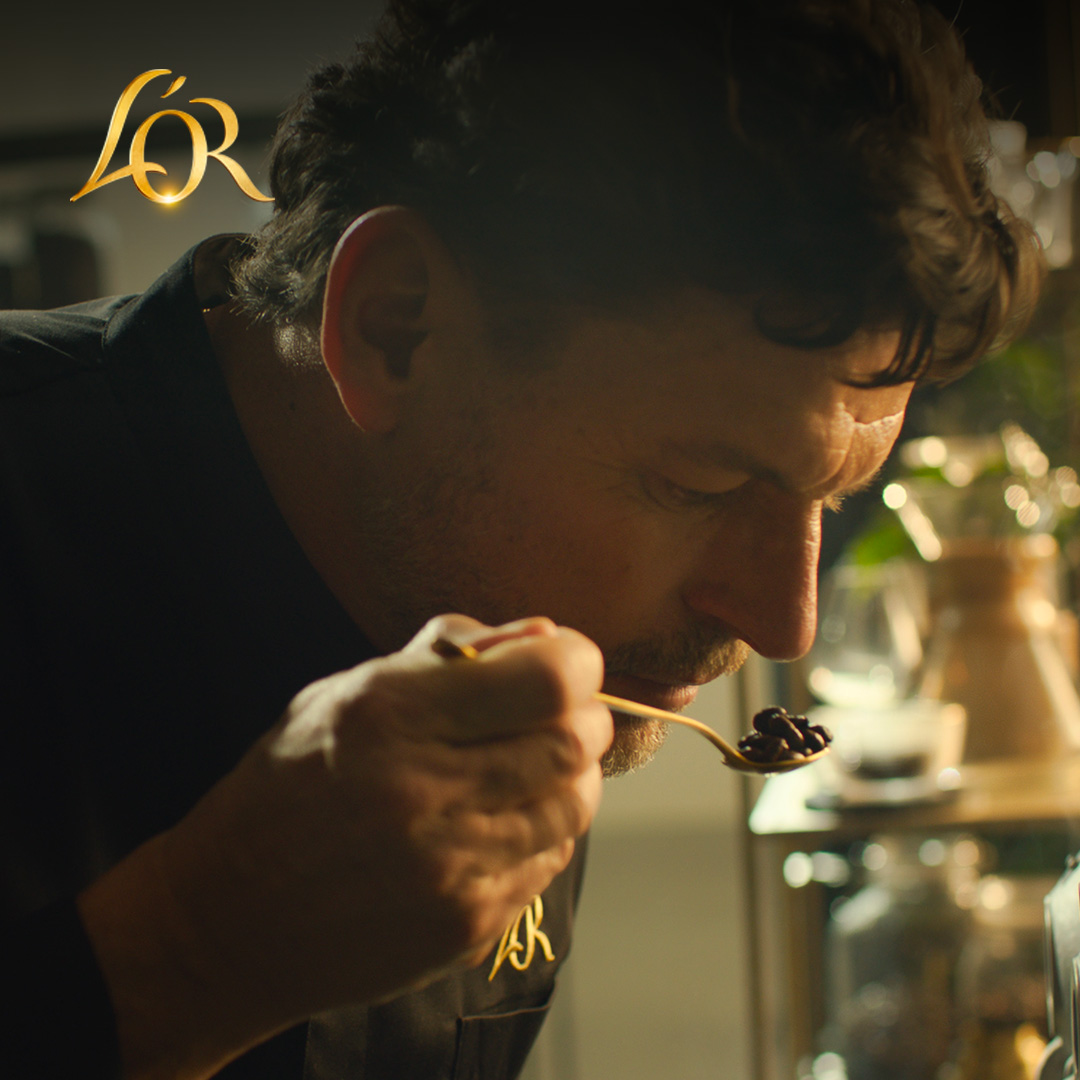
At its most basic, coffee fulfils a functional need. At the premium end of the market, however, the opportunity is to transform that transaction into something more considered — an experience shaped by taste, aroma, craftsmanship, presentation and ritual.
That is the space L’OR Espresso occupies.
Its partnership with the South Africa Fashion Awards takes that proposition into an environment where taste, craftsmanship, creativity and self-expression already carry cultural and commercial value.
The Experience Behind the Product
The premium consumer is no longer evaluating a product in isolation.
They are evaluating the experience around it.
This shift is already visible in hospitality, where restaurants and hotels increasingly recognise that seemingly small details can influence how guests perceive the overall quality of an experience. Business Today has previously explored this evolution through L’OR Espresso and the growing role of premium coffee as a strategic touchpoint within hospitality.
The principle extends beyond hospitality.
For a premium brand, the product may establish the promise, but the experience is what gives that promise meaning.
L’OR’s South African range reflects this sensory approach, with coffees differentiated through intensity and distinct flavour profiles, from the dark-roasted character of Ultimo to the spicy complexity of Ristretto and the rich, full-bodied profile of Supremo.
The proposition therefore extends beyond the coffee itself.
It is about how quality is experienced.
That creates a natural opening for L’OR to participate in environments where consumers are already engaging with ideas of taste, quality and considered living.
Fashion is one of them.
Why Fashion Makes Business Sense
At first glance, fashion and coffee occupy very different categories.
One is worn.
The other is consumed.
From a brand perspective, however, the connection is more substantial.
Both are shaped by craftsmanship. Both are influenced by taste. Both allow consumers to express something about themselves. And both have evolved beyond their functional roles to become important components of lifestyle and culture.
Fashion makes taste visible.
A designer communicates through fabric, silhouette, construction and detail.
Coffee communicates through aroma, flavour, intensity, texture and preparation.
The mediums are different.
The underlying appreciation of detail is not.
That is what makes the South Africa Fashion Awards strategically relevant to L’OR Espresso.
The 2026 awards recognise an industry extending well beyond designers and models, with categories spanning fashion retail, e-commerce, beauty, photography, campaigns and fashion leadership. L’OR Espresso is also the sponsor of the Best Fashion Icon category, placing the brand directly within one of the awards’ most visible expressions of influence and style.
For L’OR, this is not about attempting to become a fashion brand.
It is about entering a cultural environment in which values already central to its premium positioning — craft, taste, expression and attention to detail — are visible.
From Sponsorship to Strategic Association
There is a significant difference between being visible at an event and becoming part of its experience.
The first is advertising.
The second is brand building.
That distinction is increasingly important for premium brands.
A logo can generate recognition. An experience can create association.
L’OR’s relationship with the South Africa Fashion Awards is built around that opportunity. Rather than treating the event solely as a media platform, the brand brings its premium coffee experience into the occasion, allowing the product to be experienced within a fashion-led environment.
That changes the role of the partnership.
The event is no longer simply a place where the brand appears.
It becomes a setting in which the brand proposition can be experienced.
For consumers, that can create a more tangible connection than visibility alone.
A logo is seen.
A sensory experience is remembered.
The Value of Cultural Context
The environment in which a premium product is experienced can influence how its value is perceived.
The product does not change.
The context does.
This is one reason premium brands increasingly look beyond traditional advertising environments towards fashion, hospitality, food, design, entertainment and other cultural platforms.
These environments already carry meaning.
The strategic opportunity is to find the point where that meaning intersects authentically with the brand.
For L’OR, fashion provides such a point.
The South Africa Fashion Awards brings together designers, models, creatives, brands, media, influencers and fashion executives — an ecosystem in which style and personal expression intersect with business and culture.
L’OR can therefore participate without stretching its identity.
It does not need fashion to validate coffee.
It needs a credible environment in which the qualities associated with its brand can be experienced differently.
That is a more sophisticated approach to cultural partnership.
Craft Is the Common Currency
The strongest connection between L’OR and fashion may ultimately be the simplest: craft.
Fashion transforms materials, ideas and technical skill into something distinctive.
Coffee similarly depends on decisions made long before the first sip — from the character of the beans and the blend to roasting, intensity and preparation.
L’OR’s own product language places strong emphasis on the sensory characteristics created through these processes, describing its coffees in terms of intensity, aroma, complexity, richness and flavour.
For Mbulelo Mashilo, Brand Manager, L’OR Espresso South Africa, that shared foundation makes fashion a natural environment for the brand:
“Fashion is about expression, creativity and craft, which makes it a natural space for L’OR Espresso. We want to add something memorable to the occasion and give guests a premium L’OR experience that feels completely at home in the world of fashion.”
The significance is not that L’OR is attempting to borrow fashion credibility.
It is that the brand has identified a genuine point of connection.
Craft becomes the common language.
Rethinking the Role of Partnerships
This reflects a broader evolution in partnership marketing.
Traditional sponsorship has often been measured through visibility: how many people saw the brand, how prominently it appeared and how much exposure the event generated.
Those metrics remain relevant.
But premium brand building requires another question:
What does the audience associate with the brand after the experience?
That question changes the role of the partnership.
The focus moves from placement to participation.
From visibility to experience.
From audience numbers alone to the quality of the association being created.
For L’OR, the South Africa Fashion Awards provides an environment in which coffee can be connected to a broader conversation about taste, creativity and considered experiences.
That is more strategically valuable than simply placing a logo within a fashion environment.
The Business of Brand Relevance
For premium brands, relevance cannot always be manufactured through advertising.
Consumers encounter too many messages for visibility alone to guarantee distinction.
What becomes more valuable is context — appearing in places where the brand makes sense and where the audience is already receptive to the values it represents.
This is particularly important in a category such as coffee.
Coffee is consumed frequently and often as part of a wider routine. Brand preference is therefore built through repeated experiences and associations rather than a single purchase decision.
Every meaningful touchpoint has the potential to reinforce perceptions of quality, taste and sophistication.
The role of a cultural partnership is not necessarily to convert an audience into immediate purchasers.
It is to strengthen the territory in which the brand competes.
For L’OR, that territory is premium coffee experienced as part of a broader lifestyle.
A More Connected Premium Market
The evolution of premium is also changing the way consumers move between categories.
A consumer does not necessarily think in terms of isolated sectors.
The same person can move between fashion, hospitality, food, travel, beauty, design and entertainment — carrying their expectations of quality and taste with them.
That creates an opportunity for brands that can participate credibly across those environments without diluting their core identity.
L’OR’s presence within fashion demonstrates that approach.
The brand remains fundamentally about coffee.
But coffee can exist within a larger world of taste, ritual and experience.
The strategic challenge is therefore not to enter every category.
It is to identify the environments where the brand has something authentic to contribute.
The New Business of Premium
That may ultimately be the more important lesson from L’OR Espresso’s partnership with the South Africa Fashion Awards.
The future of premium will not be defined solely by exclusivity or price.
It will increasingly be defined by the quality of the experience surrounding the product.
That requires brands to think beyond the transaction.
It requires consistency between product and environment.
It requires partnerships that make strategic sense rather than simply generating visibility.
And it requires an understanding of culture — not as decoration around a brand, but as one of the places where brand meaning is created.
L’OR does not need to become a fashion brand to belong in fashion.
It belongs because both worlds place value on craft, expression, taste and detail.
When those values are brought together through a considered experience, the partnership becomes more than sponsorship.
It becomes a demonstration of what the brand stands for.
That is the new business of premium: not simply offering a better product, but creating the context in which quality can be experienced, relevance can be earned and brand value can be strengthened.
For L’OR Espresso, fashion is one such context.
And when craft, taste and experience meet, the value extends well beyond the cup.